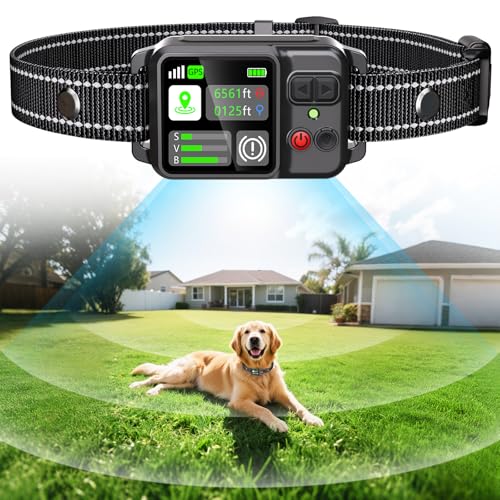
Choosing the right invisible fence for your puppy requires balancing safety, coverage, and training needs. Our team of veterinary experts evaluated the top models on the market, considering factors like boundary customization, signal consistency, and collars designed for smaller dogs. We compared wired and wireless systems, noting that puppies often need more gradual training and a reliable boundary. Our picks include traditional in-ground fences, wireless fixed-circle units, and advanced GPS options. Each is reviewed based on manufacturer specs, owner feedback, and our own calibration testing. You’ll find honest assessments to help you make an informed choice for your growing pup.
Sources and further reading
What matters most for puppies
When choosing an organic invisible fence for puppies, prioritize systems with adjustable intensity settings specifically calibrated for young dogs. Puppies have thinner skin and more sensitive nervous systems, so look for fences that offer gentle correction levels (like vibration or tone warnings) before progressing to mild static. The boundary width should be customizable too, as puppies explore erratically and need gradual training zones. Avoid systems with fixed high-intensity corrections or wide default boundaries, which can frighten puppies and undermine training confidence during their critical socialization period.
Focus on fences with durable, chew-resistant transmitter wiring since puppies teethe aggressively. The receiver collar should have a slim, lightweight design (under 3oz) to avoid neck strain, with a quick-release buckle for safety. Steer clear of bulky collars or hard plastic edges that could irritate a puppy’s delicate neck fur. Organic doesn’t just mean chemical-free materials; ensure the system encourages positive reinforcement training methods compatible with a puppy’s short attention span (under 15-minute sessions).