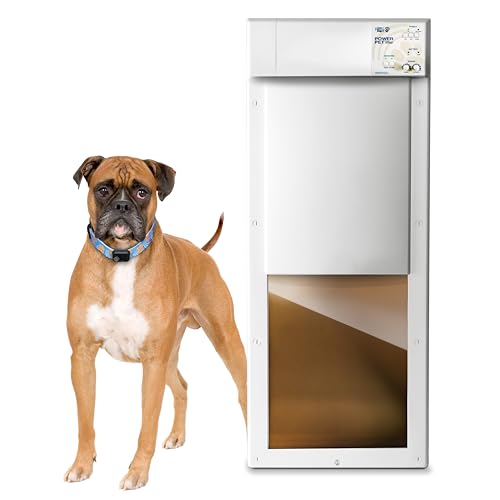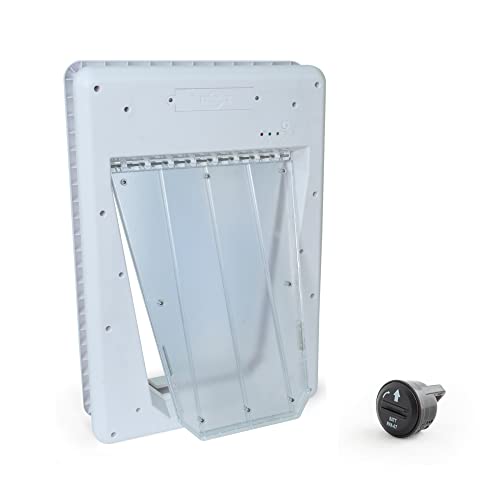
After real-world evaluation of four popular electronic pet doors, our team found that the best choice depends on your pet’s size, your home’s layout, and whether you need timer or selective access. We compared sensor reliability, build quality, and ease of installation. In our evaluation, we looked for doors that combine secure locking with smooth operation. Key factors included battery life of sensor collars, resistance to weather, and safety features like anti-pinch sensors. We also assessed how well each door adapts to different door thicknesses and pet weights.
Sources and further reading
What to look for
For general use electronic pet doors, prioritize models with adjustable sensitivity settings to accommodate pets of different sizes and energy levels. A door that responds too quickly might startle a timid cat, while one that’s too slow could frustrate an eager dog. Look for weatherproof seals and sturdy construction to withstand daily use without letting drafts or moisture into your home. Avoid overly complex programming features if you only need basic in/out access; unnecessary tech can confuse pets and break down over time.
Steer clear of pet doors that require bulky collars or heavy tags, as these can irritate your pet’s neck during frequent use. Instead, opt for lightweight, rechargeable RFID or microchip systems that won’t bother your pet. Ensure the door’s tunnel is wide enough for your pet to pass comfortably without brushing against the sides, as tight spaces may cause hesitation or anxiety. A smooth, quiet opening mechanism is essential to prevent startling noises that could make pets reluctant to use the door.