Quick answer
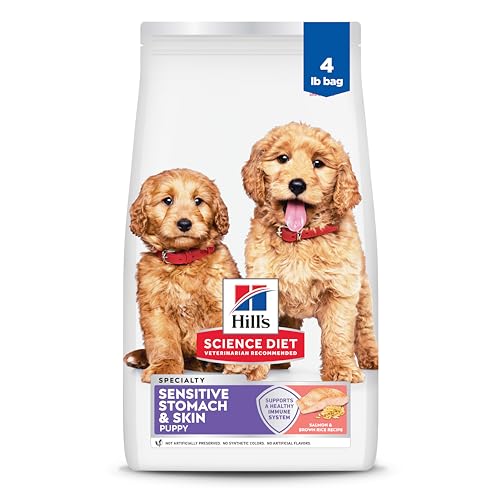
For most Boston Terrier puppies, our editorial team leans toward Royal Canin Boston Terrier Puppy Dry Dog Food as the top pick, because it is a small-breed growth formula with kibble shaped for a brachycephalic, short muzzle and an AAFCO complete and balanced statement for growth. If your puppy has a touchy stomach, Hill’s Science Diet Puppy Small Paws Sensitive Stomach & Skin fits better. On a tighter budget, Diamond Naturals Small Breed Puppy covers the basics well, while Purina Pro Plan Puppy Small Breed Chicken & Rice suits owners who want a widely available grain-inclusive formula, and Wellness Complete Health Small Breed Puppy is a solid grain-inclusive alternative with omega support.
What to consider for Puppy Food For Boston Terrier
Boston Terriers are a small breed that usually matures around 12 to 25 pounds, so they need a small-breed puppy formula, not an all-breed or large-breed recipe. Because they are brachycephalic (flat-faced), a short muzzle can make large or oddly shaped kibble hard to pick up and chew, so smaller kibble matters for this breed specifically. Bostons are also prone to a sensitive digestive system and gas, so steady, easily digested ingredients and a careful transition help. Small-breed puppies have fast metabolisms and small stomachs, which means they often eat calorie-dense food in several small meals a day. Boston Terriers can also be prone to certain eye, knee (patellar luxation), and breathing issues, so keeping a puppy lean to avoid extra weight is sensible. For any specific health concern, allergy, or before adding a supplement, consult your veterinarian.
What to look for in a dog food
Look for an AAFCO statement on the bag confirming the food is complete and balanced for growth or all life stages, since a puppy needs growth-appropriate nutrition. A named meat as the first ingredient (such as chicken, lamb, or salmon) is preferable to a vague “meat” entry. As a practical guide, many small-breed puppy foods land around 27 to 32 percent protein and 14 to 20 percent fat on a dry-matter basis, with calorie density often near 380 to 450 kcal per cup, though your puppy’s needs vary by activity and growth stage. Because Boston Terriers are a small breed, choose a small-breed puppy formula with smaller kibble rather than a large-breed recipe. Omega-3 fatty acids (often from fish oil) and DHA support normal puppy development and skin and coat, which can be a plus for this breed. These are general guidelines, not medical rules, so ask your veterinarian about the right targets for your individual puppy.
How we chose these picks
- Limited the field to small-breed puppy or all-life-stages formulas appropriate for a Boston Terrier’s adult size
- Required a clear AAFCO complete and balanced statement for growth or all life stages on widely sold versions
- Favored recipes that list a named meat (chicken, lamb, salmon) as the first ingredient
- Looked for smaller kibble shapes that suit a short, flat-faced muzzle
- Preferred grain-inclusive recipes as a default given the ongoing FDA DCM investigation, unless a vet advises otherwise
- Checked manufacturers for transparency, established track records, and publicly listed recall history
- Compared using publicly available product information and established nutrition guidance, not personal vet endorsements or hands-on feeding-data reviews
- Never ranked a product higher just because it pays a commission
What to avoid
- Foods that list only an unnamed “meat meal” as the protein, with no named animal source
- Defaulting to grain-free or legume-heavy (pea, lentil, chickpea) recipes; the FDA investigation into a potential link between certain diets and canine dilated cardiomyopathy (DCM) is ongoing, and a grain-inclusive recipe is the safer default unless your veterinarian advises otherwise
- Feeding an all-life-stages food formulated mainly for large breeds to a small-breed puppy, since the nutrient balance is not ideal
- Abrupt diet switches; transition over about 7 to 10 days to reduce stomach upset, which Bostons are prone to
For more help choosing, browse our dog guides, our dog food reviews, and our dog nutrition articles.