Quick answer
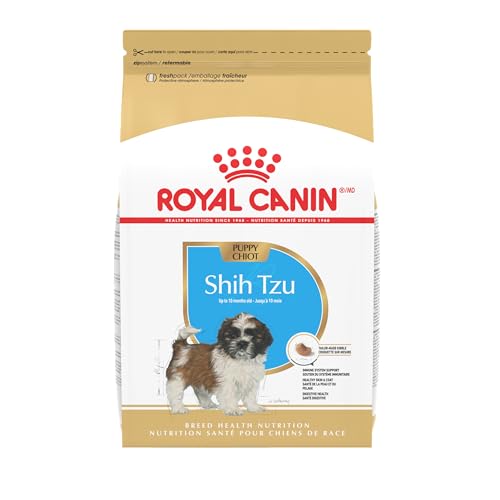
For most Shiba Inu puppies, our editorial team leans toward Royal Canin Breed Health Nutrition Shih Tzu Puppy only when no breed-specific option fits, but our practical top pick is a complete and balanced small to medium breed puppy food like Hill’s Science Diet Puppy Small Paws. It pairs a named meat first ingredient with a kibble size and calorie level suited to a smaller, energetic dog. If your Shiba puppy has a sensitive stomach, Purina Pro Plan Puppy Sensitive Skin and Stomach fits better. On a tighter budget, Diamond Naturals Small Breed Puppy covers the basics well. Always confirm the AAFCO growth statement on the bag and consult your veterinarian for any medical condition.
What to consider for Puppy Food For Shiba Inu
The Shiba Inu is a small to medium spitz breed, typically reaching around 17 to 23 pounds as an adult, so it does not need a large breed puppy formula. Shibas are agile and energetic, which means calories matter, but the breed can also gain weight easily if overfed, so portion control is important from the start. Many Shibas are known for somewhat sensitive digestion and skin or coat issues, so a recipe with a named protein and omega fatty acids can support a healthy coat, though it cannot guarantee any outcome. Their smaller jaws also do better with appropriately sized kibble. Because Shibas can be picky, a palatable, consistent formula helps avoid the temptation of frequent abrupt switches.
What to look for in a dog food
Start with the label. Look for an AAFCO statement confirming the food is complete and balanced for growth, or for “all life stages,” which covers puppies. A named meat such as chicken, lamb, or salmon should appear as the first ingredient, not a vague “meat meal” alone. For a small to medium breed puppy, sensible targets are often roughly 26 to 32 percent protein and around 12 to 18 percent fat on a dry matter basis, with calories in the ballpark of 350 to 450 per cup, though these are general ranges and not medical rules. A Shiba does not need a large breed puppy formula, so a small or medium breed growth recipe is the better fit. Omega 3 and omega 6 fatty acids may support skin and coat, and balanced calcium and phosphorus support healthy bone development. When in doubt, ask your veterinarian.
How we chose these picks
- We compared products using publicly available manufacturer information, ingredient panels, and established nutrition guidance.
- We prioritized formulas carrying an AAFCO complete and balanced statement for growth or all life stages.
- We favored recipes with a named meat as the first ingredient over generic meat meals.
- We matched kibble size, calorie density, and nutrient levels to a small to medium breed puppy like the Shiba Inu.
- We checked the FDA recall and advisory pages for the brands referenced and noted the ongoing FDA DCM investigation context.
- We weighed digestibility and coat-supporting ingredients given the breed’s tendency toward sensitive stomach and skin.
- We considered real owner feedback patterns and honest trade-offs, including price and availability.
- Never ranked a product higher just because it pays a commission.
What to avoid
- An unnamed “meat meal” as the only protein source, with no named animal protein listed first.
- Defaulting to grain-free or legume-heavy recipes without a reason. The FDA investigation into a potential link between certain diets and canine dilated cardiomyopathy is ongoing, and grain-inclusive is the safer default unless your veterinarian advises otherwise.
- Feeding an all-life-stages food formulated mainly for large breeds, or any large breed puppy food, to a small Shiba puppy.
- Abrupt diet switches. Transition over about 7 to 10 days to reduce the risk of digestive upset.
For more breed and feeding help, browse our dog guides, our dog food roundups, and our dog nutrition resources.