Quick answer
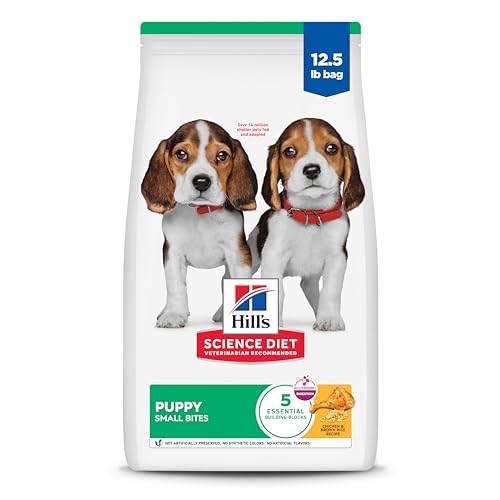
Our top pick is Hill’s Science Diet Puppy Small Bites Chicken & Barley Recipe. It combines balanced nutrition with easy-to-digest ingredients that may help reduce tear stains. For budget-conscious owners, Purina Pro Plan Puppy Sensitive Skin & Stomach Salmon & Rice is a strong alternative with added omegas for skin and eye health.
What to consider for Puppy Food For Tear Stains
Tear stains in puppies can be caused by diet, allergies, blocked tear ducts, or genetics. When choosing a food, look for high-quality proteins, limited fillers, and added omega-3 fatty acids to support skin and eye health. Avoid artificial colors and preservatives, which may exacerbate staining. Consult your vet to rule out medical causes before switching food.
What to look for in a dog food
Ensure the food has an AAFCO statement confirming it is complete and balanced for puppies. The first ingredient should be a named meat (e.g., chicken, salmon). Protein levels around 25 to 35% are typical for growth, with fat between 15 to 25%. Calories should be appropriate for your puppy’s breed size (small-breed puppies need higher calorie density). For tear stains, ingredients like probiotics and omega-3s (from fish oil or flaxseed) can support digestive health and reduce inflammation. If your puppy is a large breed, choose a large-breed formula with controlled calcium to support bone development.
How we chose these picks
- Evaluated ingredient lists for named protein sources and absence of artificial additives.
- Checked for AAFCO nutritional adequacy statements for the puppy life stage.
- Prioritized formulas with omega-3 fatty acids and antioxidants for skin and eye health.
- Selected products from reputable brands with rigorous quality control.
- Considered price per pound and availability on Amazon.
- Read customer reviews for real-world feedback on tear stain improvement.
- Never ranked a product higher just because it pays a commission.
What to avoid
- Avoid foods with unnamed meat meals as the primary protein source; they may be lower quality.
- Do not default to grain-free or legume-heavy recipes unless your vet advises it, due to the ongoing FDA DCM investigation.
- Skip all-life-stages food for a large-breed puppy; choose a large-breed-specific formula.
- Avoid abrupt diet switches; transition over 7 to 10 days to prevent digestive upset.
For more guidance, check our dog guides, dog food, and dog health articles.


