Quick answer
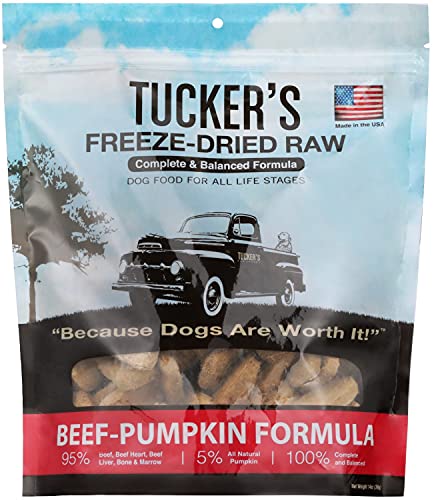
Our top pick for best raw dog food for loose stools is Stella & Chewy’s Freeze-Dried Raw Dinner Patties because they use single-source protein and added probiotics to support digestion. For dogs with severe sensitivities, Primal Pet Foods Freeze-Dried Nuggets offer a limited-ingredient option. Budget-conscious owners may prefer Nature’s Variety Instinct Raw Boost Mixers as a topper.
What to consider for Raw Dog Food For Loose Stools
Raw diets can be beneficial for dogs with loose stools because they often contain fewer fillers and higher digestibility. However, not all raw foods are equal. Look for products with a single novel protein (like rabbit or venison) to reduce allergy triggers. Added probiotics, pumpkin, or psyllium husk can help firm stools. Avoid raw blends with multiple protein sources or high fat content, which can worsen diarrhea. Always transition slowly over 7 to 10 days and consult your vet before switching to raw, especially for dogs with pancreatitis or compromised immune systems.
What to look for in a dog food
Choose a raw dog food that is AAFCO complete and balanced for your dog’s life stage (puppy, adult, or senior). The first ingredient should be a named meat, such as chicken, beef, or rabbit. Protein content should be moderate (around 30 to 40% on a dry matter basis) to avoid overloading the digestive system. Fat content should be moderate (15 to 25%) to prevent loose stools from excess fat. For large breed puppies, ensure calcium levels are appropriate for controlled growth. Added omega-3 fatty acids from fish oil can reduce inflammation, and probiotics or prebiotic fiber support gut health.
How we chose these picks
- Evaluated ingredient lists for named protein sources and absence of artificial additives.
- Checked for AAFCO nutritional adequacy statements for the appropriate life stage.
- Prioritized products with added probiotics, fiber, or digestive enzymes.
- Considered customer reviews regarding stool quality and palatability.
- Assessed protein and fat levels to ensure they are not excessively high.
- Selected a range of formats (freeze-dried, frozen, toppers) to suit different preferences.
- Ensured products are widely available from reputable brands.
- Never ranked a product higher just because it pays a commission.
What to avoid
- Avoid raw foods with an unnamed “meat meal” as the only protein source; look for specific named meats.
- Be cautious with grain-free or legume-heavy recipes due to the ongoing FDA investigation into a potential link with canine dilated cardiomyopathy (DCM). Grain-inclusive options are a safer default unless your vet advises otherwise.
- Do not feed an all-life-stages food to a large-breed puppy, as it may have improper calcium levels.
- Avoid abrupt diet switches; transition over 7 to 10 days to prevent digestive upset.
For more guides, visit our dog guides and check out dog food and dog health categories.