Quick answer
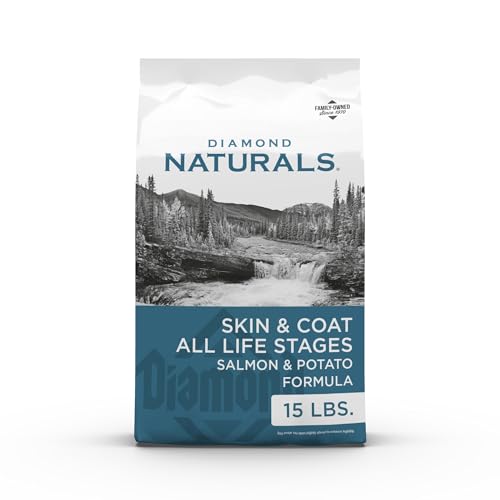
Our top pick is Purina Pro Plan Sport Performance 30/20 Salmon & Rice Formula. It delivers 30% protein and 20% fat for sustained energy, plus glucosamine for joints. For dogs with sensitive stomachs, Blue Buffalo Wilderness Salmon Recipe is a great alternative. If you’re on a budget, Diamond Naturals Extreme Athlete Salmon & Potato provides solid nutrition at a lower price.
What to consider for Salmon Dog Food For Active Dogs
Active dogs burn more calories and require higher protein and fat to maintain muscle and energy. Salmon is an excellent protein source rich in omega-3 fatty acids, which support joint health and reduce inflammation. Look for a food with at least 25% protein and 12% fat, though very active dogs may need 30% protein and 20% fat. Also consider calorie density: active breeds often need 350 to 450 kcal per cup. Ensure the food is AAFCO complete and balanced for your dog’s life stage.
What to look for in a dog food
First, check for an AAFCO statement confirming the food is complete and balanced for the appropriate life stage (adult maintenance, all life stages, etc.). The first ingredient should be a named meat like salmon. Protein content should range from 25% to 35%, fat from 12% to 20%, and calories from 350 to 450 kcal per cup for active dogs. For large breeds, ensure calcium levels are appropriate for bone health. Look for added glucosamine and chondroitin for joint support, and omega-3 fatty acids from fish oil for skin, coat, and anti-inflammatory benefits.
How we chose these picks
- Evaluated protein, fat, and calorie levels against the needs of active dogs.
- Selected only foods with named salmon as the primary protein source.
- Checked for AAFCO complete and balanced statements for the correct life stage.
- Preferred brands with a history of rigorous quality control and feeding-data reviews.
- Considered inclusion of joint-supporting ingredients like glucosamine and omega-3s.
- Reviewed price per pound to offer options across budgets.
- Ensured availability on Amazon for easy purchasing.
- Never ranked a product higher just because it pays a commission.
What to avoid
- Avoid foods where the primary protein source is an unnamed “meat meal” or “poultry meal” rather than a named fish.
- Be cautious with grain-free or legume-heavy recipes; the FDA is still investigating a possible link to canine DCM. Grain-inclusive diets are generally safer unless your vet advises otherwise.
- Do not feed an “all life stages” food to a large-breed puppy, as it may have inappropriate calcium levels.
- Avoid abrupt diet changes; transition over 7 to 10 days by mixing increasing amounts of new food with the old.
For more guidance, explore our dog guides, dog food, and dog nutrition sections.