Quick answer
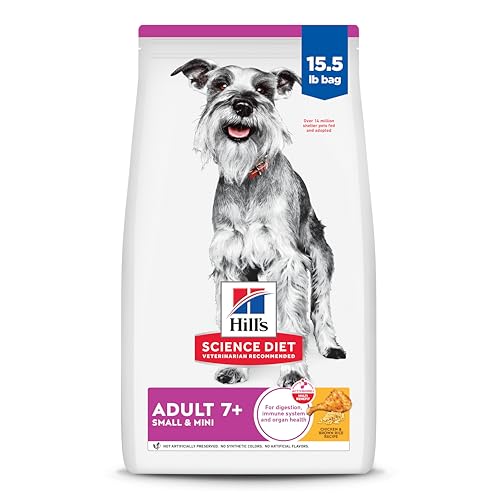
The best salmon dog food for senior small dogs is Purina Pro Plan Bright Mind Adult 7+ Small Breed Salmon & Rice Formula. It’s tailored for dogs 7 and older, with omega-3s for brain health and glucosamine for joints. If your dog has a sensitive stomach, Hill’s Science Diet Adult 7+ Small & Toy Breed Salmon & Rice is a top alternative. For budget-conscious owners, Diamond Naturals Senior Small Breed Salmon & Rice offers solid nutrition at a lower price.
What to consider for Salmon Dog Food For Senior Small Dogs
Senior small dogs have unique needs: slowing metabolism, potential dental issues, and age-related conditions like arthritis or cognitive decline. Salmon is an excellent protein source because it’s highly digestible and rich in omega-3 fatty acids, which support skin, coat, and joint health. When choosing a food, look for moderate protein (25-30% dry matter) and reduced fat (12-15%) to prevent weight gain. Small kibble size is crucial for tiny mouths. Added glucosamine and chondroitin help maintain mobility, while antioxidants like vitamin E support immune function. Always ensure the food meets AAFCO nutrient profiles for adult maintenance or senior life stages.
What to look for in a dog food
First, verify the food has an AAFCO statement of nutritional adequacy for adult maintenance or all life stages. The first ingredient should be a named meat like salmon or salmon meal. Protein should be around 25-30% on a dry matter basis, fat 12-15%, and calories moderate (350-400 kcal/cup) to avoid obesity. For senior small breeds, kibble size matters: look for small or toy breed formulas. Joint-supporting ingredients like glucosamine and chondroitin are beneficial, as are omega-3 fatty acids from fish oil. Avoid foods with excessive fillers or artificial preservatives.
How we chose these picks
- Evaluated ingredient quality, with salmon as the primary protein source.
- Checked AAFCO nutritional adequacy statements for adult or senior life stages.
- Prioritized formulas with small kibble size suitable for small breeds.
- Included options with added joint support (glucosamine, chondroitin) and omega-3s.
- Considered protein and fat levels appropriate for senior dogs (moderate to lower).
- Reviewed brand reputation and manufacturing quality standards.
- Compared price per pound to offer options across budgets.
- Never ranked a product higher just because it pays a commission.
What to avoid
- Avoid foods where the primary protein is an unnamed “meat meal” or “poultry meal” instead of a named fish or meat.
- Be cautious with grain-free or legume-heavy recipes; the FDA continues to investigate a potential link to canine dilated cardiomyopathy (DCM). Unless your vet advises otherwise, a grain-inclusive formula is a safer default.
- Do not choose an “all life stages” food for a large-breed puppy, but for senior small dogs, all life stages can be acceptable if it meets adult needs. However, a senior-specific formula is often better.
- Avoid abrupt diet changes; transition over 7-10 days by mixing increasing amounts of new food with old food.
For more guidance, visit our dog guides, dog food, and dog nutrition sections.