Some links below are affiliate links. If you buy through them we may earn a small commission at no extra cost to you. Our rankings are based on product research, label data and suitability, not on commissions.
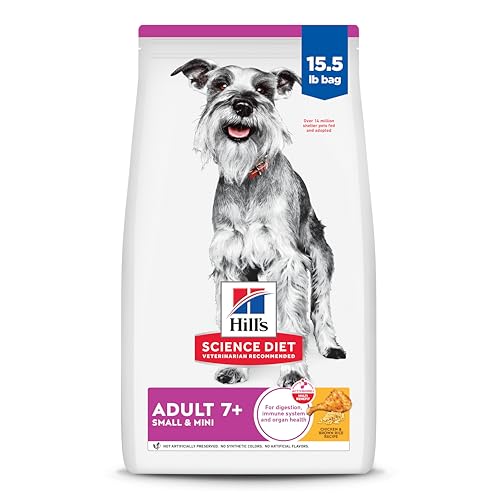
Best Overall: Hill's Science Diet Adult 7+ Large Breed Chicken Meal, Barley & Brown Rice. Built specifically for large breed dogs over seven, it pairs controlled calories with clin.
Best for Joints: Nutro Natural Choice Senior Large Breed Chicken & Brown Rice. This recipe layers glucosamine, chondroitin, and omega fatty acids to cushion the large jo.
Best Budget: Blue Buffalo Life Protection Formula Senior Chicken & Brown Rice. A widely available, value friendly senior recipe with real chicken first and Blue's LifeSo.
Best Premium: Royal Canin Maxi Aging 8+ Dry Dog Food. Engineered for large breed dogs over eight, with breed appropriate kibble and an antioxida.
Runner-Up: Purina Pro Plan Bright Mind Adult 7+ Large Breed. The standout for cognitive support, using enhanced botanical oils shown to promote alertne.
Quick answer
For most aging German Shepherds aged 7 and up, our top pick is Hill’s Science Diet Adult 7+ Large Breed, which balances controlled calories with added glucosamine and chondroitin for big joints. Purina Pro Plan Bright Mind Adult 7+ is our choice when cognitive support matters, thanks to its enhanced botanical oils that fuel an older brain. Royal Canin Maxi Aging 8+ rounds out the trio with breed appropriate kibble sizing and antioxidants for senior dogs.
What to consider for a senior German Shepherd
Large breed seniors lose muscle mass faster than they should, so high quality, digestible protein helps preserve lean body condition. Joint care ingredients like glucosamine, chondroitin, and omega 3 fatty acids ease the hips and elbows German Shepherds are prone to stressing. Calories should stay moderate to prevent weight gain as activity slows, while fiber and a phosphorus conscious recipe support digestion and kidney comfort.
How we picked
We reviewed senior large breed formulas from established brands, comparing guaranteed analysis, named protein sources, added joint nutrients, and brain supporting ingredients. We favored recipes with proven feeding histories, transparent labeling, and calorie levels suited to a less active 80 to 90 pound dog. Always introduce any new food gradually and check with your vet first.
Aging German Shepherds lose muscle quickly, so the best senior foods combine high quality digestible protein with joint nutrients and moderate calories rather than simply cutting protein levels.
The Options
Types Explained
Senior large breed dry kibble
Calorie controlled dry food with large kibble sizing and added joint nutrients formulated for big aging dogs.
Best for: Everyday feeding of a healthy senior German Shepherd at a steady weight.
Cognitive support formula
Senior recipes enhanced with botanical oils, MCTs, or DHA aimed at supporting an aging dog's brain and alertness.
Best for: Older dogs showing early signs of slowing down or confusion.
Senior wet or canned food
Softer, palatable food that adds moisture and is easier to chew for dogs with dental wear or reduced appetite.
Best for: Picky eaters, dogs with dental issues, or topping dry kibble.
Veterinary joint or renal diet
Therapeutic senior formulas with elevated joint nutrients or adjusted phosphorus and protein for diagnosed conditions.
Best for: Dogs with vet diagnosed arthritis or early kidney concerns.
The Rankings
Top 5 Picks
#1
Best Overall
Hill's Science Diet Adult 7+ Large Breed Chicken Meal, Barley & Brown Rice
View on Amazon
Built specifically for large breed dogs over seven, it pairs controlled calories with clinically backed glucosamine and chondroitin for aging hips and elbows. Named chicken protein helps preserve lean muscle, and the recipe is highly digestible for older stomachs.
Nutro Natural Choice Senior Large Breed Chicken & Brown Rice
View on Amazon
This recipe layers glucosamine, chondroitin, and omega fatty acids to cushion the large joints German Shepherds rely on. Real chicken leads the ingredient list, and the formula skips chicken by product meal, corn, wheat, and soy.
Blue Buffalo Life Protection Formula Senior Chicken & Brown Rice
View on Amazon
A widely available, value friendly senior recipe with real chicken first and Blue's LifeSource Bits of antioxidants and vitamins. It includes glucosamine for joint support while keeping calories moderate for slowing seniors.
Engineered for large breed dogs over eight, with breed appropriate kibble and an antioxidant complex targeting senior vitality. Adapted protein and phosphorus levels suit aging kidneys, making it a polished premium option for big older dogs.
The standout for cognitive support, using enhanced botanical oils shown to promote alertness in dogs seven and older. Real chicken builds lean muscle and added glucosamine looks after the joints of a senior German Shepherd.
Look for added glucosamine, chondroitin, and omega 3 fatty acids, since German Shepherds are prone to hip and elbow issues that worsen with age.
02
High quality named protein
A named meat or meat meal should lead the ingredients to help an aging dog preserve lean muscle and fight the natural muscle loss of senior years.
03
Moderate, controlled calories
Older dogs move less, so a calorie level that prevents weight gain protects the joints and keeps your senior at a healthy body condition.
04
Brain and cognitive ingredients
Botanical oils, MCTs, antioxidants, and DHA can support an aging brain and may help maintain alertness in dogs seven and older.
05
Digestibility and kidney comfort
Highly digestible recipes with sensible fiber and phosphorus conscious levels are gentler on senior digestion and supportive of aging kidney function.
Living With It
Care, Cost and Maintenance
Watch weight and body condition
Weigh your senior regularly and adjust portions to keep ribs easily felt but not seen. Excess weight stresses already aging German Shepherd hips and elbows.
Split meals and add gentle exercise
Feed two measured meals a day for steadier digestion, and keep up low impact walks or swimming to maintain muscle without overloading sore joints.
Schedule senior vet checkups
Book wellness visits at least twice a year once your dog turns seven, since blood work catches kidney, thyroid, and joint changes early in large breeds.
Pro tip
Once your German Shepherd turns seven, add a glucosamine rich senior food and book twice yearly vet checkups to catch joint and kidney changes early.
Frequently asked questions
When is a German Shepherd considered a senior?
Large breeds like German Shepherds typically enter their senior years around age seven, earlier than small breeds. This is a good time to switch to a senior large breed formula and increase vet checkups.
Do senior German Shepherds need joint supplements in their food?
Joint support ingredients like glucosamine, chondroitin, and omega 3 fatty acids are very helpful for this breed's hips and elbows. Many senior foods include them, but your vet may recommend additional supplements.
How much protein should a senior German Shepherd eat?
Healthy seniors still need ample high quality, digestible protein to preserve muscle, so do not assume older dogs need low protein. If kidney issues are diagnosed, your vet may adjust protein and phosphorus levels.
Should I feed wet or dry food to my senior German Shepherd?
Both work well. Dry kibble supports dental health and is easy to portion, while wet food adds moisture and palatability for dogs with dental wear or a smaller appetite. Many owners mix the two.
Can the right food help with my senior dog's memory or alertness?
Some senior formulas add botanical oils, MCTs, or antioxidants that may support cognitive function in aging dogs. They are not a cure, so discuss any noticeable changes in behavior with your vet.
How do I switch my German Shepherd to senior food?
Transition gradually over seven to ten days, mixing increasing amounts of the new food into the old. A slow switch reduces digestive upset, which matters more for sensitive senior stomachs.
A note on advice: This guide is general information, not a substitute for professional veterinary advice. Talk to your vet before changing your dog's diet or care routine, especially if your dog has allergies, kidney disease, pancreatitis, obesity, heart disease or any other medical condition.
Transparency
How we made this guide
How we chose. We compared the options on the factors that matter most for Dog Food, using manufacturer specifications, aggregated verified owner reviews and editorial comparison. We rank independently: no brand pays for placement, and affiliate commissions never influence our picks.
How it was written. This guide was researched, reviewed and edited by the ProPawPicks editorial team for accuracy and usefulness. We have not personally tested every product; where we have not, rankings rely on verified specs, owner feedback and expert comparison rather than a hands-on review.
Affiliate disclosure. ProPawPicks is reader-supported. If you buy through links on our site, we may earn a commission at no extra cost to you. See our affiliate disclosure.
Some links below are affiliate links. If you buy through them we may earn a small commission at no extra cost to you. Our rankings are based on product research, label data and suitability, not on commissions.