Quick answer
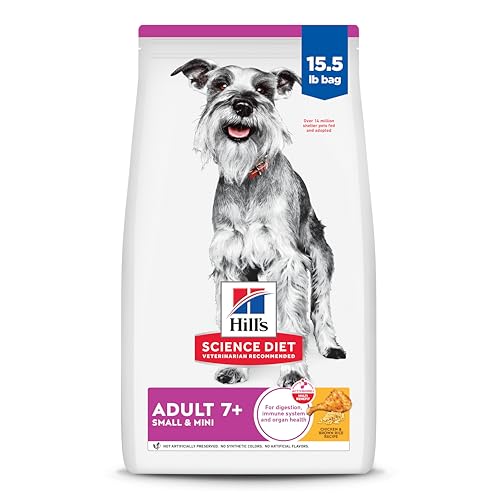
For most aging Pitbulls, our editorial team leans toward Hill’s Science Diet Adult 7+ Large Breed Chicken Meal, Brown Rice & Barley as the top pick because it carries an AAFCO complete and balanced statement, leads with a named protein, keeps calories moderate to help manage weight, and includes added glucosamine and chondroitin plus omega fatty acids that may support aging joints and skin. If your senior Pitbull has a sensitive stomach, Purina Pro Plan Sensitive Skin & Stomach Salmon & Rice is a better fit. On a tighter budget, Diamond Naturals Senior Dog Real Meat Recipe covers the basics, while Royal Canin Maxi Adult suits a still active large breed and Blue Buffalo Life Protection Formula Senior Chicken & Brown Rice is a solid grain inclusive everyday choice. Always confirm any diet change with your veterinarian.
What to consider for Senior Dog Food For Pitbull
Pitbulls are a muscular medium to large breed that often carries 40 to 70 pounds of dense muscle, so a senior diet should protect that muscle while avoiding excess calories that strain aging hips, knees and elbows. Many Pitbulls are prone to skin allergies and food sensitivities, so a single named protein and a limited, recognizable ingredient list can make reactions easier to track. Joint comfort matters because larger, active dogs put real load on their joints over the years, so glucosamine, chondroitin and omega 3 fatty acids are worth looking for. Senior dogs are also less active and burn fewer calories, so portion control and a moderate calorie density help prevent the weight gain that worsens arthritis. If your dog has diagnosed kidney, heart, dental or digestive issues, the right protein and phosphorus levels should be set with your veterinarian rather than guessed at.
What to look for in a dog food
Start with the AAFCO statement. For a senior Pitbull you want a food formulated to meet AAFCO nutrient profiles for adult maintenance, ideally one tested or formulated for large breed adults, since “senior” is a marketing term and not a separate AAFCO life stage. Check that the first ingredient is a named meat such as chicken, beef, lamb or salmon, not a vague “meat meal”. For an average senior Pitbull, a protein level around 22 to 30 percent and a fat level around 10 to 16 percent on a dry matter basis is a reasonable general range, with calories often near 320 to 380 per cup so portions stay controlled, though your veterinarian may advise different numbers for your individual dog. Favor a large breed or all breed adult formula sized to a 40 to 70 pound dog. Finally, look for joint and omega support, meaning added glucosamine and chondroitin and a named source of omega 3 such as fish oil or flaxseed, which may help support joints, skin and coat as part of an overall plan discussed with your vet.
How we chose these picks
- Confirmed each food carries an AAFCO complete and balanced statement for adult maintenance suitable for a senior large breed dog.
- Required a named meat as the first ingredient rather than an unnamed generic meat meal.
- Checked protein, fat and calorie levels against practical ranges sensible for a less active senior Pitbull.
- Prioritized recipes with added glucosamine, chondroitin or omega 3 fatty acids for joint, skin and coat support.
- Considered options for common Pitbull needs such as sensitive skin and stomach and grain inclusive recipes.
- Reviewed publicly available manufacturer information, ingredient panels and any FDA recall history we could find.
- Included a range of price points so budget conscious owners still have a complete and balanced option.
- Never ranked a product higher just because it pays a commission.
What to avoid
- An unnamed “meat meal” as the only protein source, since you cannot tell what animal it came from or judge its quality.
- Defaulting to grain free or legume heavy recipes by habit. The FDA investigation into a potential link between certain diets and canine dilated cardiomyopathy is ongoing, and a grain inclusive recipe is the safer default unless your veterinarian advises otherwise for your dog.
- Feeding an all life stages food to a large breed puppy, because the calcium and calorie levels can be too high for healthy large breed bone growth.
- Abrupt diet switches. Transition over 7 to 10 days by gradually mixing in more of the new food to reduce the risk of digestive upset.
For more help choosing, browse our dog guides, our dog food roundups, and our dog health articles for senior care and joint support.


