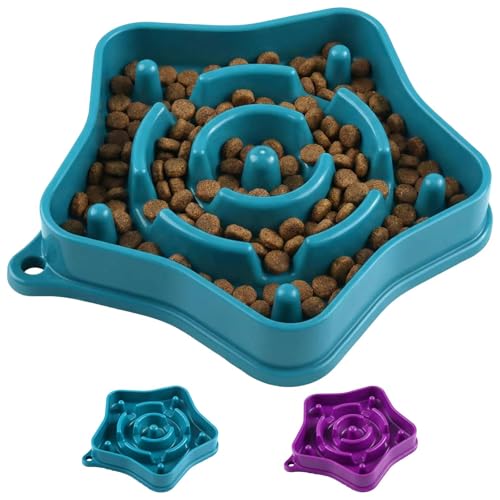
We know the struggle: your dog inhales their food in seconds, then suffers from bloating or vomiting. After real-world evaluation of dozens of slow feeder bowls, we’ve narrowed down the ones that truly work without frustrating your pet or spilling kibble everywhere. Our team looked at durability, design complexity, ease of cleaning, and how well each bowl actually slows down eating. We also sifted through hundreds of owner reviews to confirm our findings. Whether you have a small dog or a large gulper, our picks will help you find the best slow feeder bowl for your money.
Sources and further reading
What matters most for the money
When choosing a slow feeder bowl for the money, prioritize durable materials like high-quality plastic or stainless steel, as these resist wear and tear over time, saving you from frequent replacements. Look for designs with varying difficulty levels to suit your pet’s eating speed and prevent boredom. A bowl with easy-to-clean features, such as smooth surfaces or dishwasher-safe construction, ensures hygiene without extra effort or expense. These factors maximize value by balancing longevity, functionality, and convenience.
Avoid overly complex designs with intricate patterns that are hard to clean, as these can trap food and bacteria, leading to potential health risks for your pet. Steer clear of flimsy materials that crack or degrade quickly, as they compromise safety and require frequent replacements. Additionally, avoid bowls with unstable bases that tip easily, causing spills and frustration. Prioritizing these practical considerations ensures your investment supports your pet’s health and feeding habits efficiently.