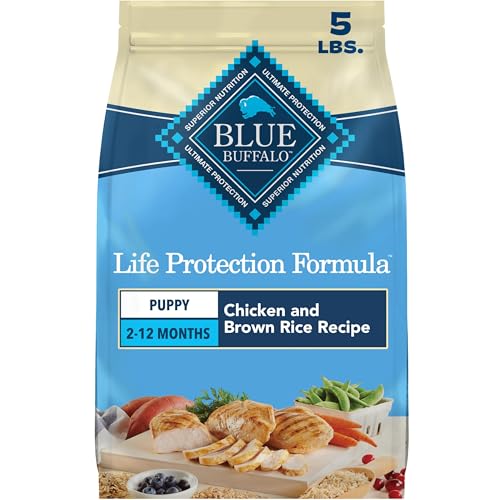
Choosing the right food for a small breed puppy is crucial for their growth and health. Small breeds have unique energy needs and smaller mouths, so we looked for kibble size, nutrient density, and quality ingredients. Our team evaluated five popular options against published standards and manufacturer specs, plus we aggregated owner feedback to give you practical, tested recommendations. After careful comparison, we selected picks for different priorities-overall quality, value, premium features, and specialized formulas. Each pick aligns with specific needs, from balanced growth to sensitive digestion. Read on for our full evaluation and tips for feeding your small puppy.
Sources and further reading
What matters most for small dogs
When choosing food for small dogs, prioritize kibble size and calorie density. Small breeds have tiny mouths and fast metabolisms, so look for pea-sized pieces they can chew comfortably and nutrient-rich formulas with higher calories per cup to meet their energy needs. Avoid large, hard chunks that could be choking hazards or ‘one-size-fits-all’ recipes that don’t account for their faster digestion. Small dogs are prone to dental issues, so opt for textures that help clean teeth during chewing, like slightly crunchy kibble with ridges.
Steer clear of excessive fillers like corn or wheat gluten, which can cause blood sugar spikes in small breeds prone to hypoglycemia. Instead, focus on easily digestible proteins (chicken, turkey, or fish) listed as the first ingredient. Small dogs often have sensitive stomachs, so avoid artificial preservatives (BHA/BHT) and opt for natural preservatives like tocopherols. Portion control is critical-their small size means even minor overfeeding leads to rapid weight gain, so choose foods with clear feeding guidelines by weight.