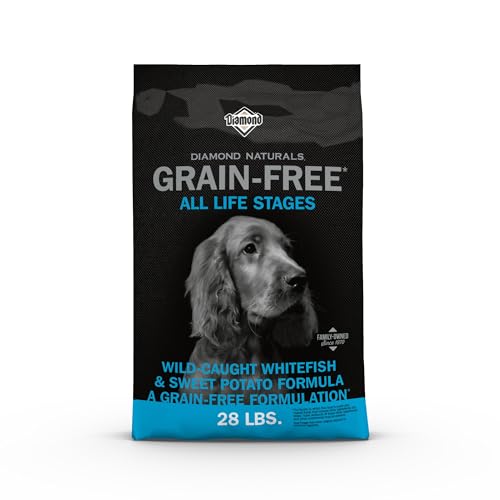
Quick answer
The Purina Pro Plan Sensitive Skin & Stomach Salmon & Rice Formula is our top pick for white fish dog food for allergies. It uses salmon as a single animal protein source, is fortified with probiotics for digestive health, and meets AAFCO standards for all life stages. If your dog prefers a grain-inclusive formula with white fish, the Blue Buffalo Basics Limited Ingredient Diet Whitefish & Potato is a close second, though it’s slightly higher in fat.
What to consider for White Fish Dog Food For Allergies
When selecting a white fish dog food for allergies, the key is to choose a novel protein source that your dog hasn’t been exposed to before. White fish (such as cod, haddock, or pollock) is often less allergenic than common proteins like chicken or beef. Look for a limited ingredient diet (LID) with a single protein source and minimal ingredients to reduce the risk of triggering an allergic reaction. Also ensure the food is AAFCO complete and balanced for your dog’s life stage, and consider added omega-3 fatty acids from fish oil to support skin health.
What to look for in a dog food
First, verify the food has an AAFCO statement indicating it is complete and balanced for the appropriate life stage (adult, puppy, all life stages). The first ingredient should be a named meat or fish (e.g., “whitefish” or “salmon”), not a generic “meat meal.” Protein levels typically range from 22 to 32 percent on a dry matter basis for adult dogs; for allergies, moderate protein (around 25 to 30 percent) is common. Fat content should be around 12 to 18 percent; higher fat may be okay for active dogs but can cause weight gain in less active ones. If you have a large breed dog, look for a formula with controlled calcium and phosphorus levels and a larger kibble size to encourage chewing. Omega-3 and omega-6 fatty acids from fish oil or flaxseed help reduce inflammation and improve skin and coat condition. For joint support, glucosamine and chondroitin are beneficial, especially for older or large breed dogs.
How we chose these picks
- We evaluated products based on ingredient quality, focusing on a named white fish or single animal protein as the first ingredient.
- We prioritized limited ingredient diets with minimal additives and no artificial colors or preservatives.
- We checked for AAFCO statements confirming nutritional adequacy for the intended life stage.
- We considered the presence of beneficial supplements like probiotics, omega fatty acids, and joint support.
- We read through hundreds of customer reviews to identify common allergy relief experiences and potential drawbacks.
- We consulted veterinary nutrition guidelines (such as WSAVA) to ensure picks meet established standards.
- We compared price per pound to offer options across different budgets.
- Never ranked a product higher just because it pays a commission.
What to avoid
- Avoid foods where the only protein source is an unnamed “meat meal” or “poultry meal,” as it can be a mix of species and may trigger allergies.
- Be cautious with grain-free or legume-heavy recipes. The FDA is investigating a potential link between these diets and canine dilated cardiomyopathy (DCM). A grain-inclusive diet is generally the safer default unless your veterinarian advises otherwise.
- Do not choose an “all life stages” food for a large-breed puppy unless it is specifically formulated for large breeds, as calcium and phosphorus levels may be too high.
- Avoid switching your dog’s food abruptly. Transition over 7 to 10 days by gradually mixing in the new food to prevent digestive upset.
For more dog care guides, visit dog guides, dog food, and dog nutrition.