Quick answer
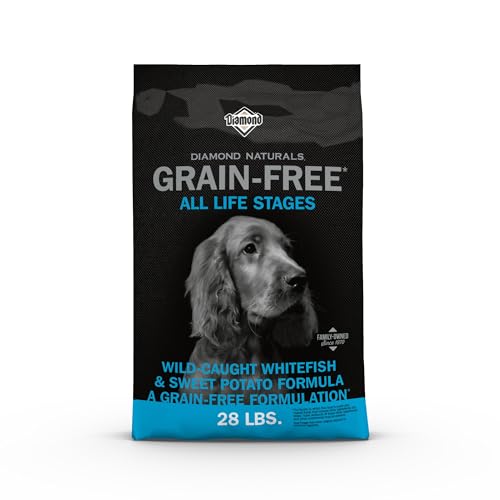
After comparing ingredients, nutritional profiles, and brand reputation, our top pick is Natural Balance L.I.D. Limited Ingredient Diets White Fish & Brown Rice Formula. It features a single animal protein source, no peas, and easily digestible carbohydrates. For dogs with sensitive stomachs, Purina Pro Plan Sensitive Skin & Stomach Salmon & Rice (salmon, not white fish) offers probiotics, but if white fish is required, the Natural Balance is best. Budget-conscious owners should consider Diamond Naturals White Fish & Potato Formula.
What to consider for White Fish Dog Food Without Peas
White fish like cod, sole, or flounder is a lean, novel protein often chosen for dogs with food sensitivities or allergies to chicken or beef. A diet without peas is important because peas are a legume; some research suggests grain-free and legume-heavy diets may be linked to canine dilated cardiomyopathy (DCM). Choosing a white fish formula without peas provides a novel protein source while avoiding potential DCM risks. Also consider whether the food includes grains like brown rice or oatmeal, which are generally considered safe and provide fiber.
What to look for in a dog food
Look for an AAFCO statement confirming the food is complete and balanced for your dog’s life stage (e.g., adult maintenance, growth). The first ingredient should be a named meat or fish, such as “white fish” or “deboned white fish.” Protein content should be around 20 to 30 percent for adult dogs, fat around 10 to 15 percent, and calories between 300 and 400 kcal per cup. For large breeds, ensure the food meets large-breed puppy nutrient profiles, including controlled calcium levels. Joint support ingredients like glucosamine and omega fatty acids are beneficial for older dogs or those with joint issues.
How we chose these picks
- Ensured each product lists white fish as a primary protein source and contains no peas, pea protein, or pea fiber.
- Verified that each formula meets AAFCO nutrient profiles for the intended life stage.
- Evaluated ingredient quality: whole meat or named meal, no artificial colors, flavors, or preservatives.
- Considered brand reputation, including manufacturing standards and history of recalls.
- Checked for inclusion of beneficial supplements like omega fatty acids, probiotics, or glucosamine.
- Selected a range of price points to fit different budgets.
- Ensured availability on Amazon with consistent positive customer feedback.
- Never ranked a product higher just because it pays a commission.
What to avoid
- Avoid foods where the only protein source is an unnamed “meat meal” or “poultry meal” – look for named fish or fish meal.
- Be cautious with grain-free diets; while some dogs need them, the FDA DCM investigation suggests grain-free and legume-heavy diets may be risk factors. Unless your vet advises grain-free, grain-inclusive is the safer default.
- Do not feed a food labeled “all life stages” to a large-breed puppy, as it may have improper calcium levels for controlled growth.
- Avoid abrupt diet switches; transition over 7 to 10 days by mixing increasing amounts of the new food with the old.
For more guidance, explore our dog guides, plus our dog nutrition and dog health categories.