If you have ever watched your goldfish zoom around the tank during feeding time, you know they get excited for something tasty. One of the most popular treats among goldfish keepers is the bloodworm. But can goldfish eat bloodworms safely? The short answer is yes, but there is a right way and a wrong way to offer them. Let us break down everything you need to know about feeding bloodworms to your goldfish, from nutritional benefits to portion control and sourcing.
What Are Bloodworms and Why Do Goldfish Love Them?
Bloodworms are the bright red larvae of the midge fly (family Chironomidae). Despite their name, they are not true worms. They get their vivid red color from hemoglobin, which helps them survive in low-oxygen water. Goldfish are natural omnivores and foragers, so in the wild they would happily snap up insect larvae, crustaceans, and plant matter. Bloodworms are packed with protein (around 50-60% crude protein) and essential amino acids, making them an excellent supplement to a balanced pellet or flake diet. Your goldfish will likely go nuts for them, but remember: treats should only make up about 10-20% of their total diet.
Freeze-Dried vs. Frozen vs. Live Bloodworms: Which Is Best?
You have three main options when buying bloodworms, and each has pros and cons for your goldfish.
Freeze-Dried Bloodworms
These are the most convenient and have the longest shelf life. They are lightweight and easy to store. However, freeze-dried bloodworms can expand in your goldfish’s stomach after being eaten, which may cause bloating or constipation. To avoid this, always soak them in a cup of tank water for 5-10 minutes before feeding. This rehydrates them and makes them safer to digest.
Frozen Bloodworms
Frozen bloodworms are often considered the gold standard for nutritional value. They are flash-frozen at peak freshness, so they retain more vitamins and moisture than freeze-dried versions. You can buy them in flat packs or cube trays. Thaw a cube in a small dish of tank water before adding it to the aquarium. Never pour the thawing water into the tank, as it can contain excess nutrients that cloud the water.
Live Bloodworms
Live bloodworms are the most natural option and trigger strong foraging instincts. However, they come with risks. Live bloodworms sourced from questionable suppliers may carry bacteria or parasites that could harm your goldfish. If you choose live, buy from a reputable pet store and rinse them thoroughly in clean water before feeding. Many experienced keepers prefer frozen for safety and convenience.
How Often Should You Feed Bloodworms to Goldfish?
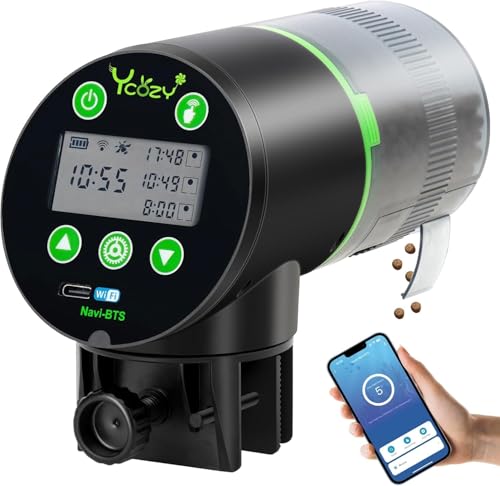
Goldfish have a slow digestive system and are prone to constipation and swim bladder issues if overfed rich foods. For adult goldfish, offer bloodworms no more than 2 to 3 times per week. For juvenile goldfish that are growing quickly, you can feed them once per day as a treat, but still rotate with high-quality pellets. A good rule of thumb is to feed only what your goldfish can eat in about 2 minutes. Uneaten bloodworms will quickly rot and foul the water, spiking ammonia levels. If you are planning a short vacation or want to automate feeding, check out our WiFi Fish Feeder Comparison: Top App-Controlled Models to keep your fish on schedule without overfeeding treats.
Bloodworms are not actually worms! They are insect larvae that use copper-based hemoglobin to survive in muddy, low-oxygen ponds. This is what gives them that brilliant red color and makes them so appealing to goldfish.
Can Bloodworms Cause Health Problems in Goldfish?
While bloodworms are safe in moderation, there are a few things to watch out for. First, a diet too high in protein can lead to fatty liver disease in goldfish over time. Always balance bloodworms with high-fiber vegetables like blanched peas or zucchini. Second, freeze-dried bloodworms that are not pre-soaked can cause dangerous internal swelling. Third, if you notice your goldfish acting lethargic or having trouble swimming after a bloodworm meal, cut back on the portion size. If symptoms persist, consult your aquatic veterinarian. For those with multiple tanks or busy schedules, a reliable Which Automatic Fish Feeder Is Best? 5 Top Picks for 2026 can help you stick to a consistent feeding routine.
“Bloodworms are like candy for goldfish: a little goes a long way, and too much can spoil their health.”
How to Prepare Bloodworms for Goldfish (Step by Step)
- For freeze-dried: Place a pinch in a small cup of tank water. Let soak for 5-10 minutes until soft. Drain the water and drop the rehydrated worms into the tank.
- For frozen: Break off a cube or flat section. Place in a dish with a little tank water to thaw (about 5 minutes). Pour through a fine mesh strainer, rinse with dechlorinated water, then feed.
- For live: Rinse the worms in a fine net under cool, clean water. Drop them in the tank a few at a time so your goldfish can catch them before they sink into the gravel.
What About Other Treats? A Balanced Goldfish Diet
Bloodworms should not be the only treat in your goldfish’s menu. Rotate with other high-quality options like brine shrimp, daphnia, and blanched vegetables. A varied diet ensures your goldfish gets a full range of nutrients and prevents picky eating. Stick to a staple pellet that is specifically formulated for goldfish (not tropical fish) as their base food. If you are ever unsure about a new food, ask your local fish store expert or your vet for guidance.